
- Home page
- buying guide
- electric radiator
electric radiator
electric radiator: A technical guide
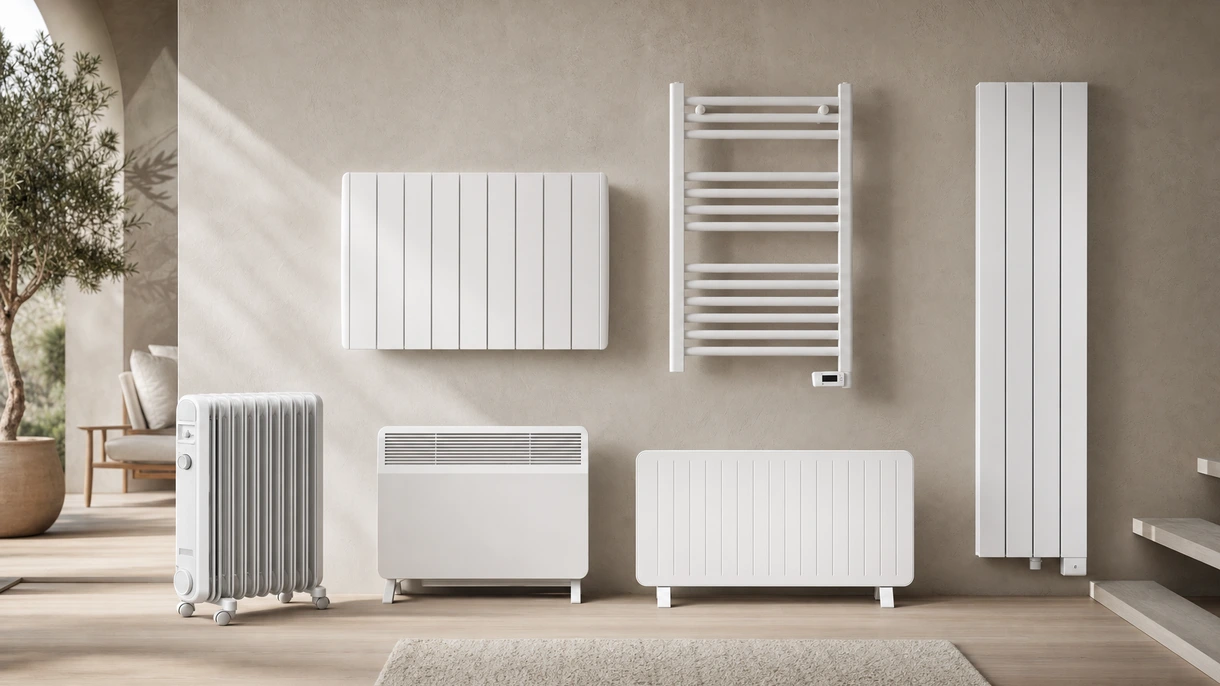
4 Criteria to choose your electric radiator
Thermal Inertia Capacity
High inertia materials ensure heat radiation continues after power cut-off, stabilizing indoor temperatures and reducing energy consumption cycles.
Energy Management Controls
Integrated smart thermostats and presence sensors optimize consumption by adjusting heat based on real-time occupancy and programmed building usage.
Aesthetics and Dimensions
Compact profiles and customizable finishes allow seamless integration into high-end architectural projects without compromising spatial efficiency or interior design.
Safety Standards Compliance
Mandatory certifications like NF Performance or UL listing guarantee long-term operational reliability and occupant safety in commercial residential environments.
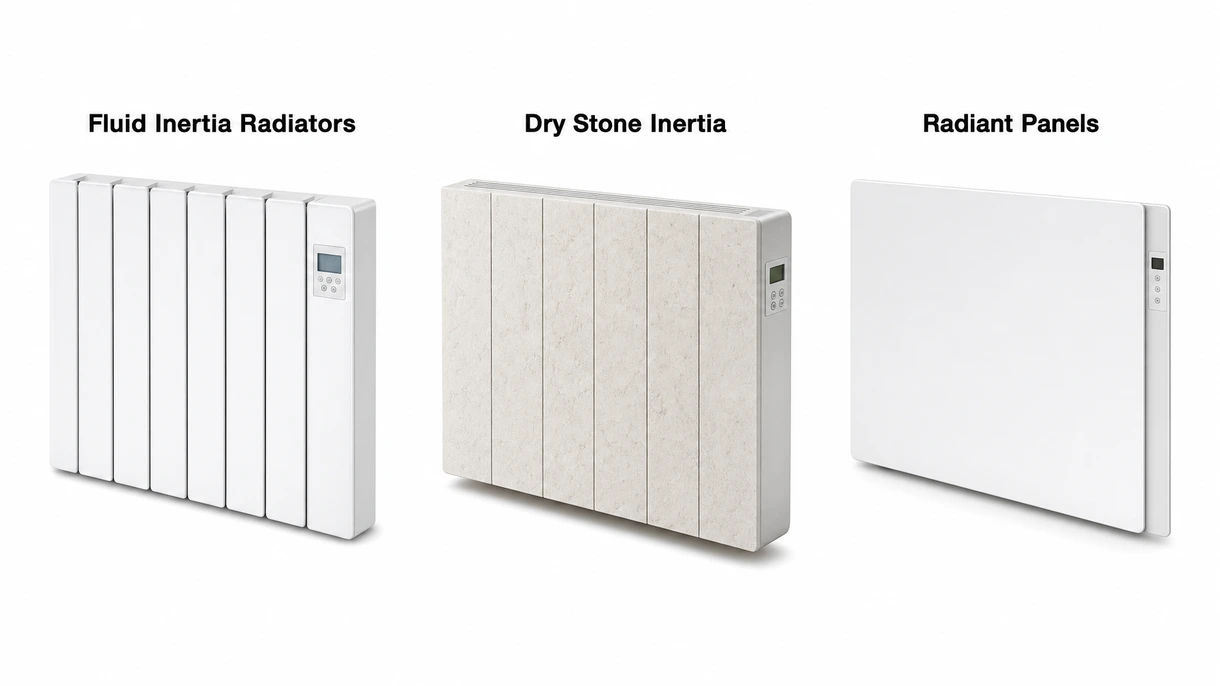
Available technologies and advantages
Fluid Inertia Radiators
utilize heat-transfer liquids to provide gentle, consistent warmth. They offer excellent heat distribution but carry slight risks of leakage and slower initial reactivity.
Dry Stone Inertia
systems use ceramic or soapstone cores for maximum heat retention. These provide superior thermal stability and durability compared to fluid models, though they are significantly heavier.
Radiant Panels
emit infrared heat directly to objects and people. They provide immediate comfort and space-saving designs, yet lack the energy-saving heat retention properties of inertia-based systems.
6 expert tips
Prioritize models with integrated self-learning algorithms to maximize energy efficiency and reduce long-term operational costs for large-scale developments.
Always verify the technical certification to ensure compliance with local building safety standards and long-term durability.
Select modular radiator configurations to allow for future interior layout modifications without requiring significant electrical infrastructure overhauls.
Opt for dual-core heating technologies to combine rapid temperature rise with sustained thermal inertia for optimal occupant comfort.
Evaluate the lifecycle maintenance requirements to minimize specialized technician interventions in high-traffic hospitality or public building environments.
Coordinate finish specifications with architectural hardware early to ensure aesthetic consistency across complex multi-unit residential or office projects.
Innovations and Trends
Utilize sustainable aluminum or stone components to meet strict green building certifications and reduce carbon footprints.
Enables remote fleet management for facility managers to monitor consumption and detect malfunctions across entire buildings.
Combines convection and infrared radiation to provide immediate warmth while maintaining energy-efficient long-term heat storage capacities.
Ensures silent operation in premium hospitality suites, meeting the highest noise reduction standards for luxury environments.
*Prices are pre-tax. They exclude delivery charges and customs duties and do not include additional charges for installation or activation options. Prices are indicative only and may vary by country, with changes to the cost of raw materials and exchange rates.
About ArchiExpo
ArchiExpo is a marketplace that offers B2B players a complete experience, from product sourcing to purchase. ArchiExpo is an entity of VirtualExpo Group.
Are you a buyer?
Are you a supplier?