
- Home page
- buying guide
- heat pump
heat pump
heat pump: A technical guide
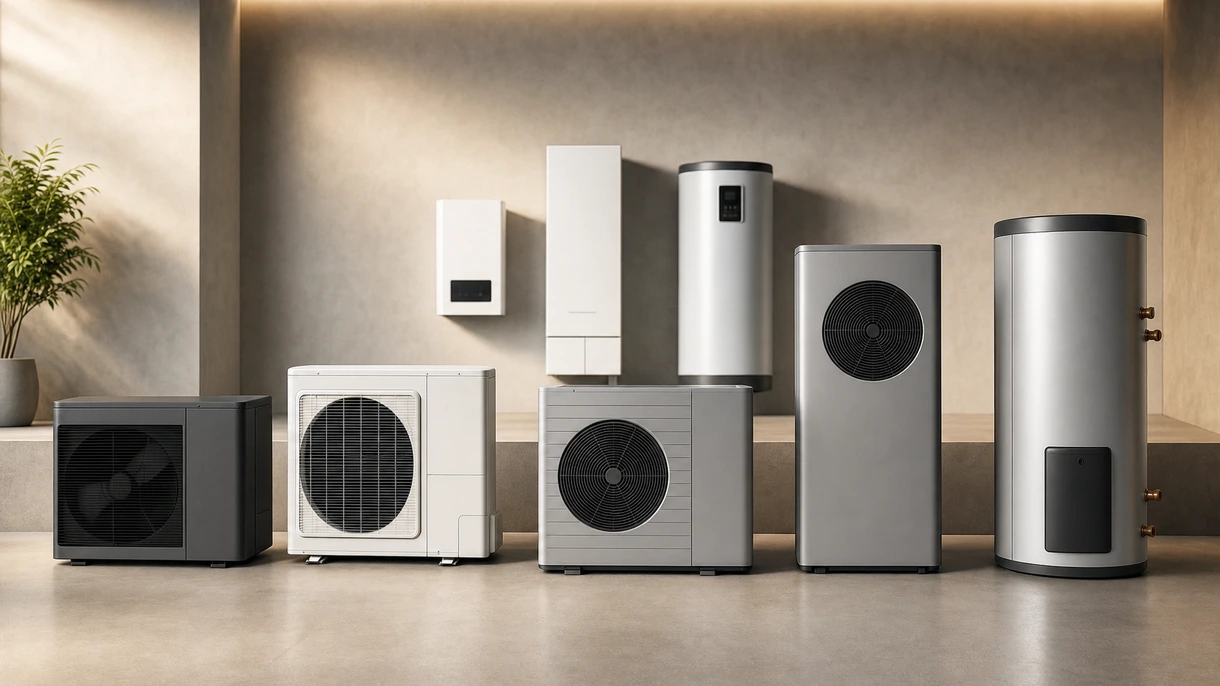
4 Criteria to choose your heat pump
Seasonal Efficiency Rating
High performance ratios ensure compliance with European ErP directives and American Energy Star standards for reduced lifecycle operating costs.
Acoustic Pressure Levels
Specified decibel ratings at proximity determine suitability for dense urban residential zones or hospitality projects requiring strict noise mitigation.
Low Global Warming Potential
Utilizing propane or difluoromethane refrigerants future-proofs installations against regulations while meeting environmental certification requirements for green buildings.
Operating Temperature Range
Reliable performance during extreme outdoor ambient conditions ensures consistent thermal comfort and prevents reliance on expensive auxiliary electric heating.
Available technologies and advantages
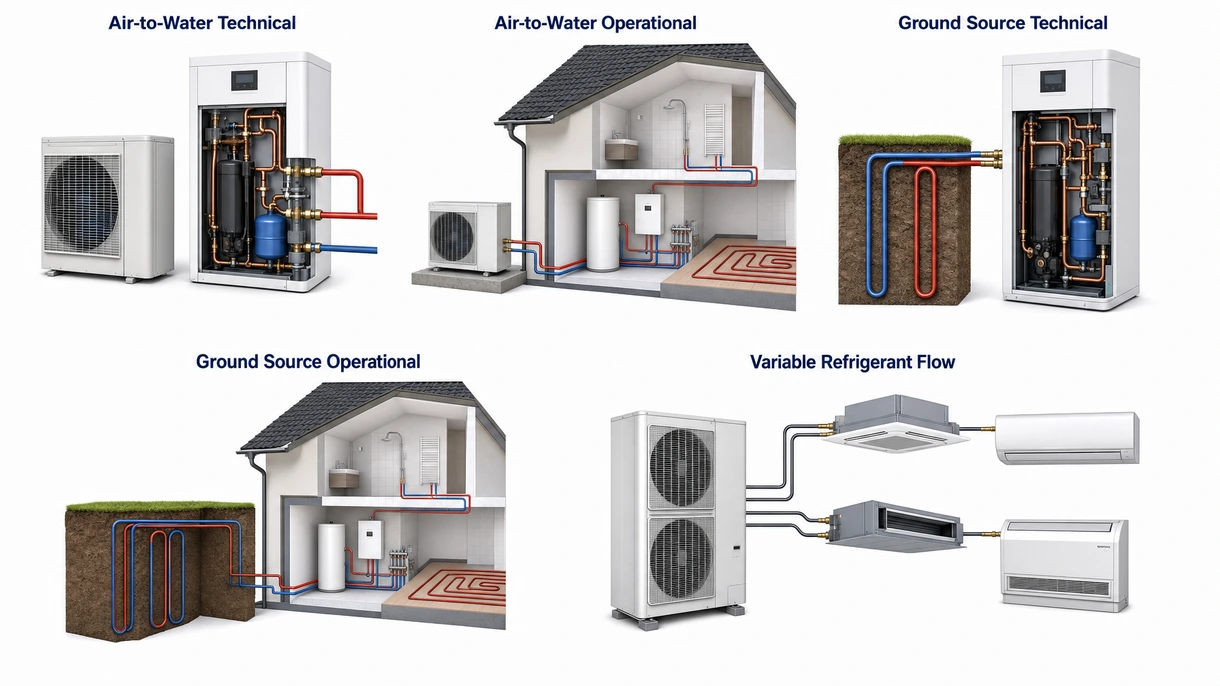
Air-to-Water Technical Comparison
These units extract heat from ambient air to feed hydronic circuits. They offer lower installation costs than geothermal alternatives but face efficiency drops during peak winter temperatures.
Air-to-Water Operational Trade-offs
Low upfront capital favors renovation projects. However, reliance on air temperature necessitates supplemental heat sources in cold climates and frequent defrost cycle management to maintain consistent performance.
Ground Source Technical Comparison
Geothermal loops utilize stable subterranean temperatures for superior year-round efficiency. High initial expenditure and site-specific geological requirements represent significant barriers despite the exceptional long-term energy savings.
Ground Source Operational Trade-offs
Stable performance and long equipment lifespan are primary benefits. High excavation costs and land availability constraints limit applications to new builds with sufficient outdoor space or drilling access.
Variable Refrigerant Flow Comparison
These multi-zone systems provide simultaneous heating and cooling through precise compressor control. They are ideal for complex commercial layouts but require specialized maintenance and high-quality piping installation.
Variable Refrigerant Flow Trade-offs
Superior zoning control and energy recovery maximize occupant comfort. Trade-offs include higher system complexity and significant refrigerant volume, requiring careful leak detection planning for indoor safety compliance.
6 expert tips
Prioritize units with high seasonal performance ratings to ensure long-term financial viability and compliance with evolving regional energy regulations.
Conduct a thorough acoustic study before placement to avoid post-installation complaints from occupants in high-density residential developments.
Select modular systems that allow for scalable capacity expansion to accommodate future building renovations or increased occupancy demands.
Mandate the use of natural refrigerants like propane to minimize future regulatory risks associated with synthetic gas phase-outs.
Building management system connectivity is essential for optimizing energy consumption through real-time monitoring and automated thermal adjustments.
Always verify the technical certification to ensure compliance with local building safety standards and long-term durability.
Innovations and Trends
Integration of propane allows for higher flow temperatures and significantly lower environmental impact than traditional fluorinated gases.
Predictive algorithms analyze weather patterns and occupancy data to reduce energy consumption by up to twenty percent annually.
New compressor designs achieve sixty-five degrees Celsius without backup heaters, facilitating direct replacement of fossil fuel boilers.
Advanced aerodynamic fan blades and sound-dampening enclosures enable installation in noise-sensitive urban environments without additional structural baffles.
*Prices are pre-tax. They exclude delivery charges and customs duties and do not include additional charges for installation or activation options. Prices are indicative only and may vary by country, with changes to the cost of raw materials and exchange rates.
About ArchiExpo
ArchiExpo is a marketplace that offers B2B players a complete experience, from product sourcing to purchase. ArchiExpo is an entity of VirtualExpo Group.
Are you a buyer?
Are you a supplier?